Home › Tail lifts
Tail lifts
Supplied, fitted, serviced and repaired — on vans, rigids and trailers. We are independent, so the advice you get is about which lift suits the vehicle and the work, not which one we are tied to.
A tail lift is the difference between a delivery one driver can make on their own and one that needs two people and a loading dock. Get the right one on the vehicle and it pays for itself in the drops it makes possible; get the wrong one and you have bought weight you cannot use.
Which lift suits you comes down to three things, and none of them are the badge on the front. What the load actually looks like — cages, pallets, wheeled stock or awkward one-offs. What the vehicle is, because fitting a lift adds weight at the back and takes it off your payload. And where the driver has to put it down, because a bay, a kerb and a farm gate are three different problems.
We supply and fit new lifts, retro-fit vehicles that never had one, install pre-owned units where a new lift would be most of what the vehicle is worth, and service and repair the lot. Every make we represent, and most we do not.
Being independent is the part that matters. We are not working through one manufacturer’s range, so when we tell you a cantilever suits the job better than a column it is because of the job, not because of what we have in stock.
How the lift works
Which action suits the vehicle
The three actions do the same job and behave very differently at the kerb. Which one you want comes down to the body, the bay, and whether the rear doors have to stay clear.
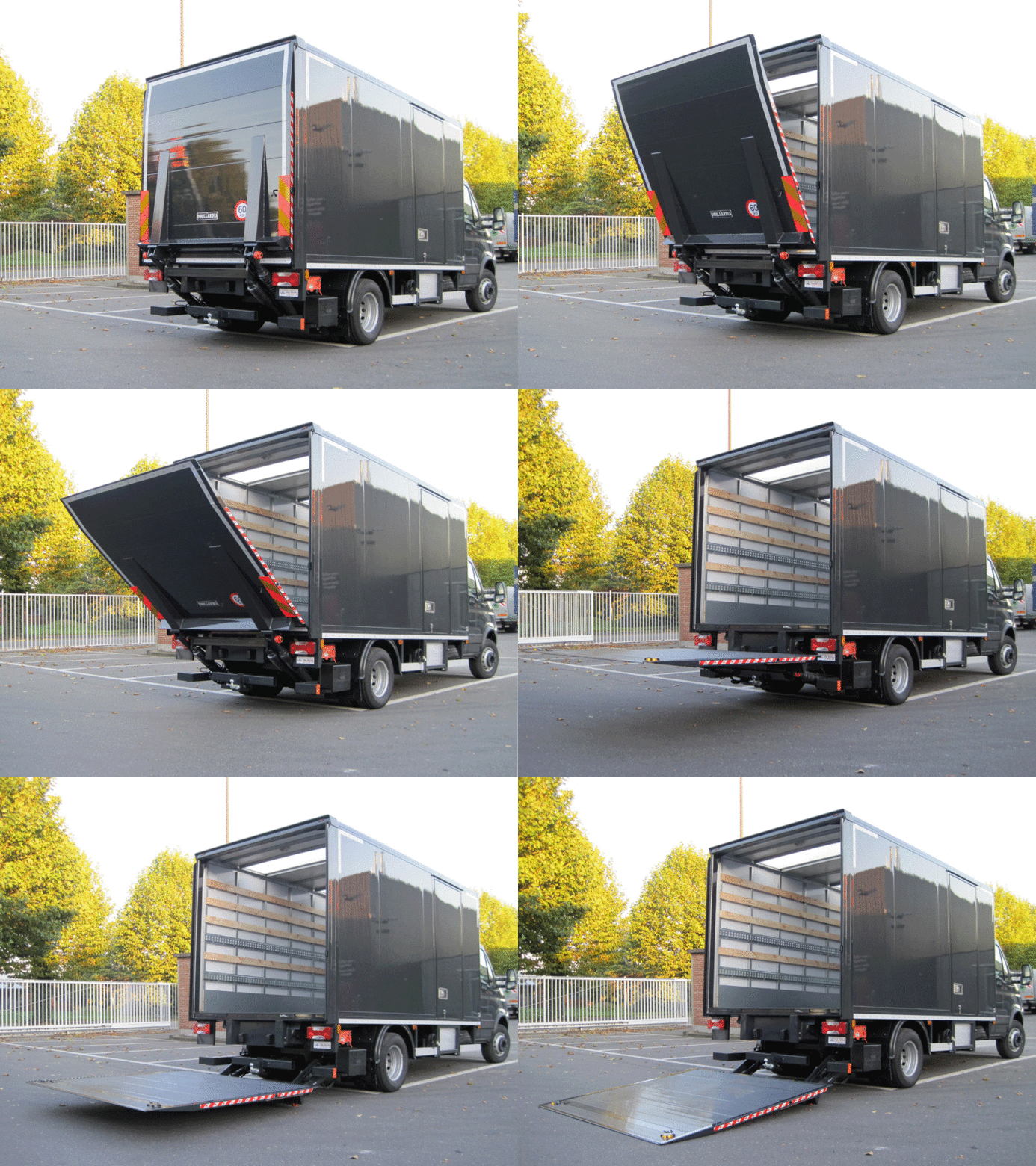
Cantilever
The platform swings out and down on parallel arms. It closes flat against the rear of the body, so it does not eat into the load space, and it will work as a dock leveller as well as a lift.
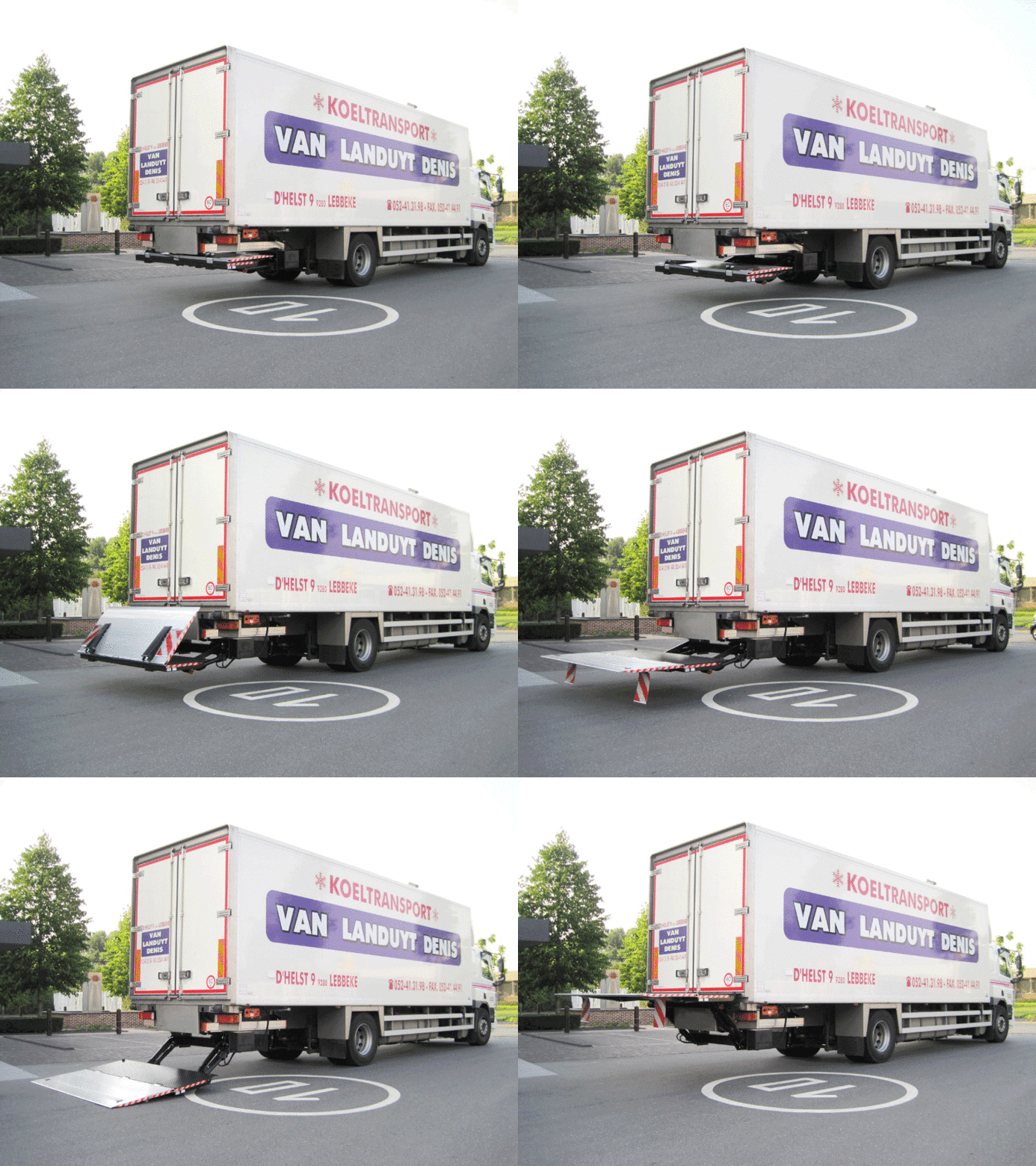
Slider / tuck-away
The platform slides out from under the body and unfolds. Because it tucks away completely it leaves the rear doors clear, which matters if you are backing onto a bay or towing.
Column
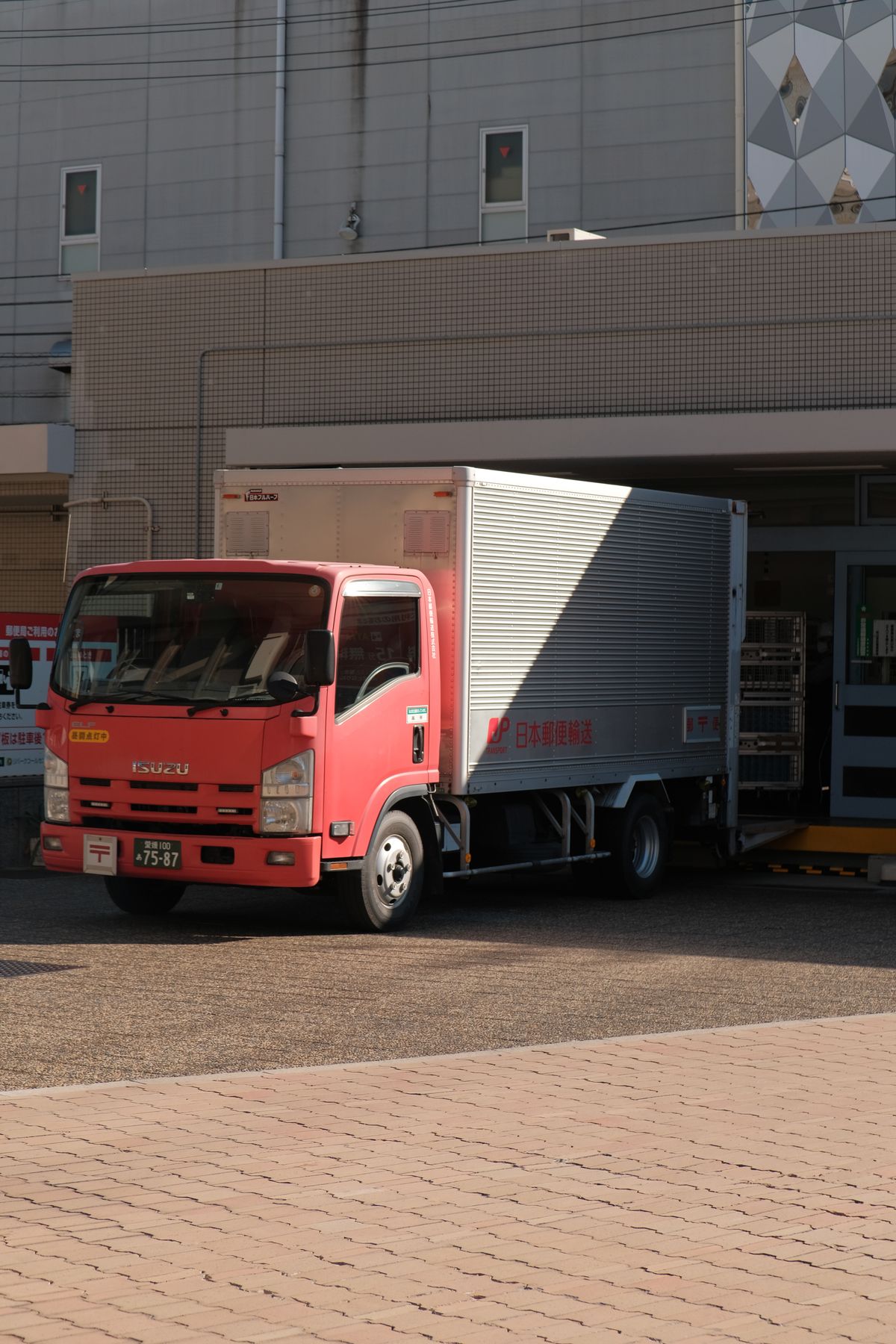
The platform runs up and down on vertical rails at the rear of the body. It gives the most reliable floor-level stop, so it suits high-frequency work with cages and pallet trucks, and it is the usual choice on a box van doing multi-drop.
What we do with them
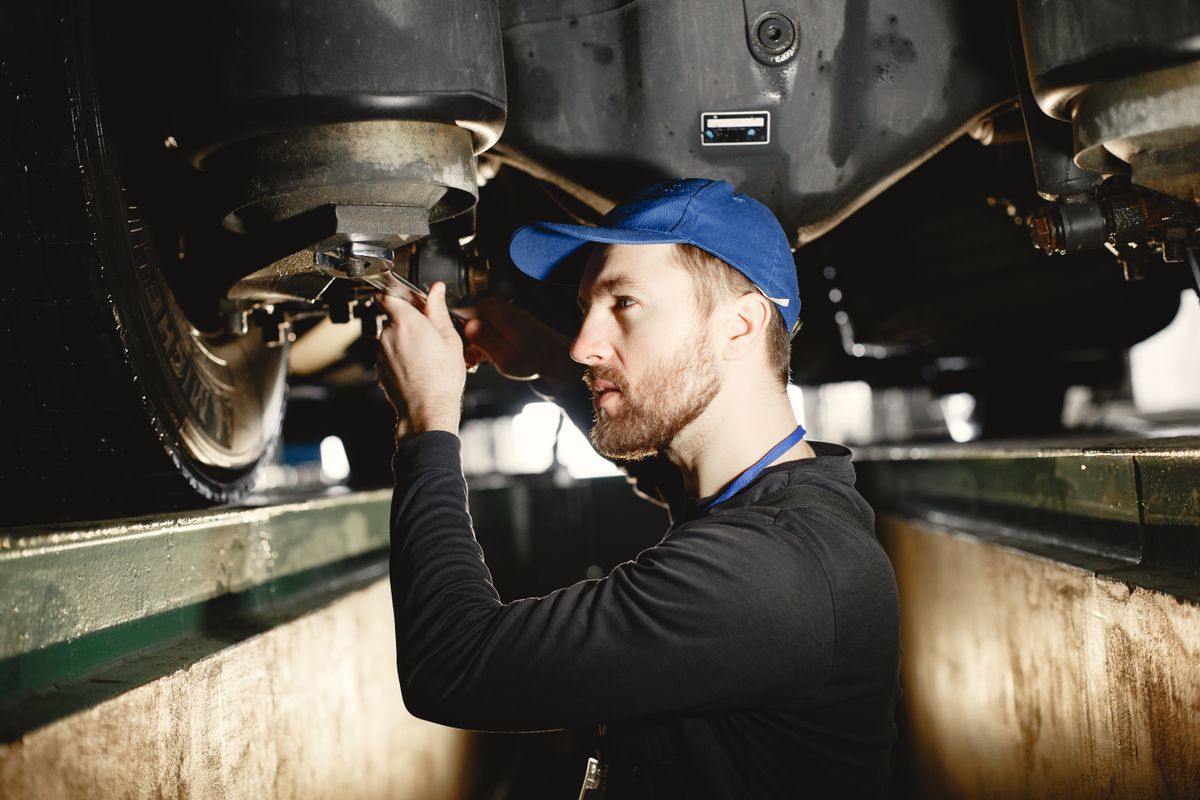
Supplied, fitted, serviced, repaired
- 01New tail lifts supplied and installed
- 02Retro-fits to vehicles that never had one
- 03Pre-owned lifts supplied and fitted
- 04Conversions and body changes
- 05Planned servicing, on your yard or in our workshop
- 06Breakdown, repair and accident damage
- 07LOLER thorough examination and weight testing
Compliance
The lift is lifting equipment
Once it is on the vehicle a tail lift is lifting equipment under LOLER 1998 — a thorough examination by a competent person at least every twelve months for goods, six where it lifts people, and a report you have to keep. That is separate from servicing, and the duty normally sits with whoever operates the vehicle rather than whoever owns it. We do the examination and the weight test, and can do them in the same visit as the service so the vehicle comes off the road once.
LOLER inspections- 6 monthsWhere the lift raises or lowers people
- 12 monthsWhere it carries goods only
- Written schemeSets the interval instead, where a competent person has drawn one up
Side by side
Which action does what
The same six questions asked of all three, so you can see where they actually differ rather than reading three descriptions and holding them in your head.
| Cantilever | Slider / tuck-away | Column | |
|---|---|---|---|
| How it moves | Swings out and down on parallel arms | Slides out from under the body, then unfolds | Runs up and down vertical rails at the rear |
| Rear doors | Platform closes against them | Left completely clear | Left clear |
| Doubles as a dock leveller | Yes | No | No |
| Towing behind | Restricted | Suits it | Restricted |
| Floor-level stop | Good | Good | The most consistent of the three |
| Usually chosen for | General distribution and kerbside work | Trailers, and vehicles that back onto bays or tow | Multi-drop with cages and pallet trucks |
Capacities and platform sizes vary by manufacturer and by vehicle. Tell us the vehicle and what it has to lift and we will specify it properly.
How a job runs
Off the road once, and back out working
-
1
Tell us the vehicle
Make, model and what the lift has to do. A photograph of the rear is usually enough.
-
2
We specify it
Action, capacity and platform to suit the body and the work — impartially, because we are not tied to one make.
-
3
Fitted and tested
Installed to the manufacturer's specification, then load tested before it goes back to work.
-
4
Kept legal
Servicing and thorough examination on a schedule, with the paperwork you are required to hold.
Manufacturers
The makes we fit
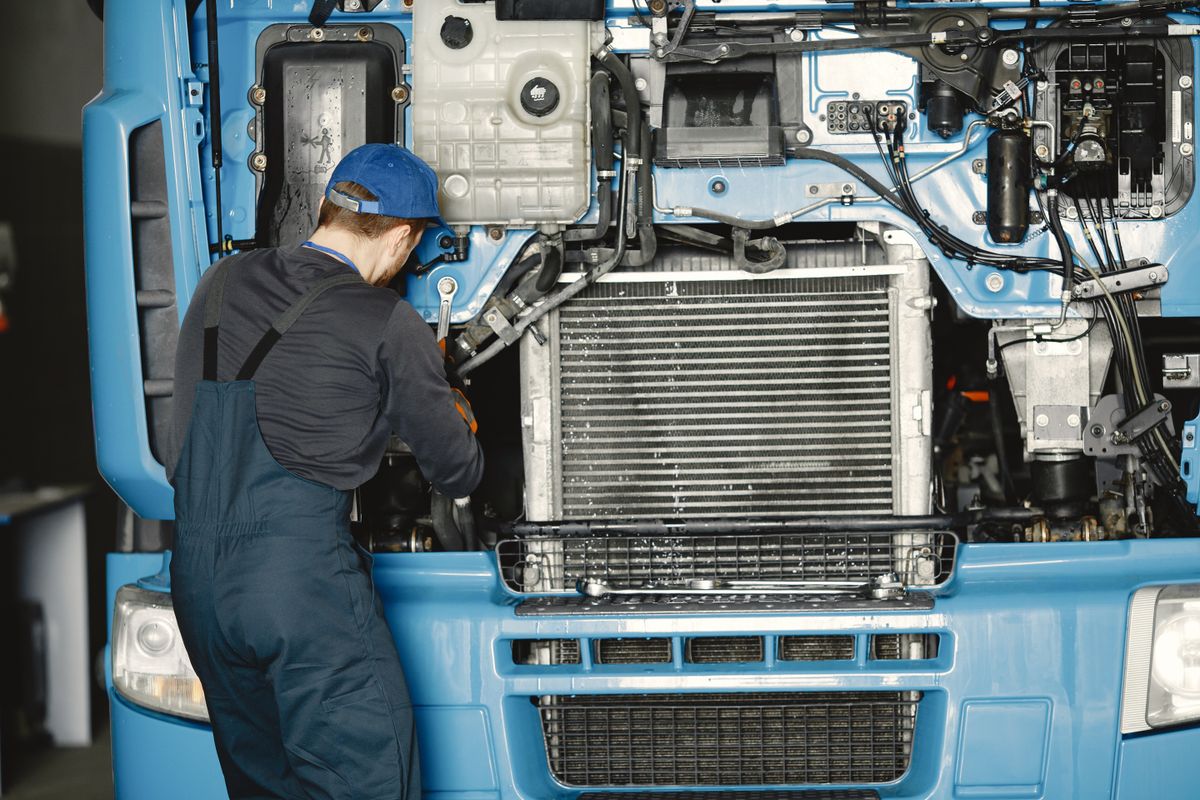
We are independent, so we can tell you which of these suits the vehicle rather than which one we sell — and we service and repair well beyond this list.
Not sure what is on yours? Send a photograph of the rear and we will tell you.






Common questions
Tail lifts, asked and answered
Can any vehicle take a tail lift?
Can you fit one to a vehicle that never had one?
Do you supply pre-owned lifts?
How do I know which lift is on my vehicle?
Do you work on makes you do not sell?
How often does it need looking at?
Need a lift looked at?
Tell us the vehicle and what it is doing. We will tell you whether it is a service, a repair or an examination that is due.